

Two mentors
Marketing
What you say, to whom, and where it is actually heard. Positioning before channels.
The name
StiveStride is named after the founder's father, a marathon runner with a personal best of 2:38. Stride is the running step. The name is his step, and it is also the whole stance of the programme.
Read about the programmeApply with your company
A marathon, not a sprint. We take money in at a pace the company survives, and we keep a flame alive the whole way.
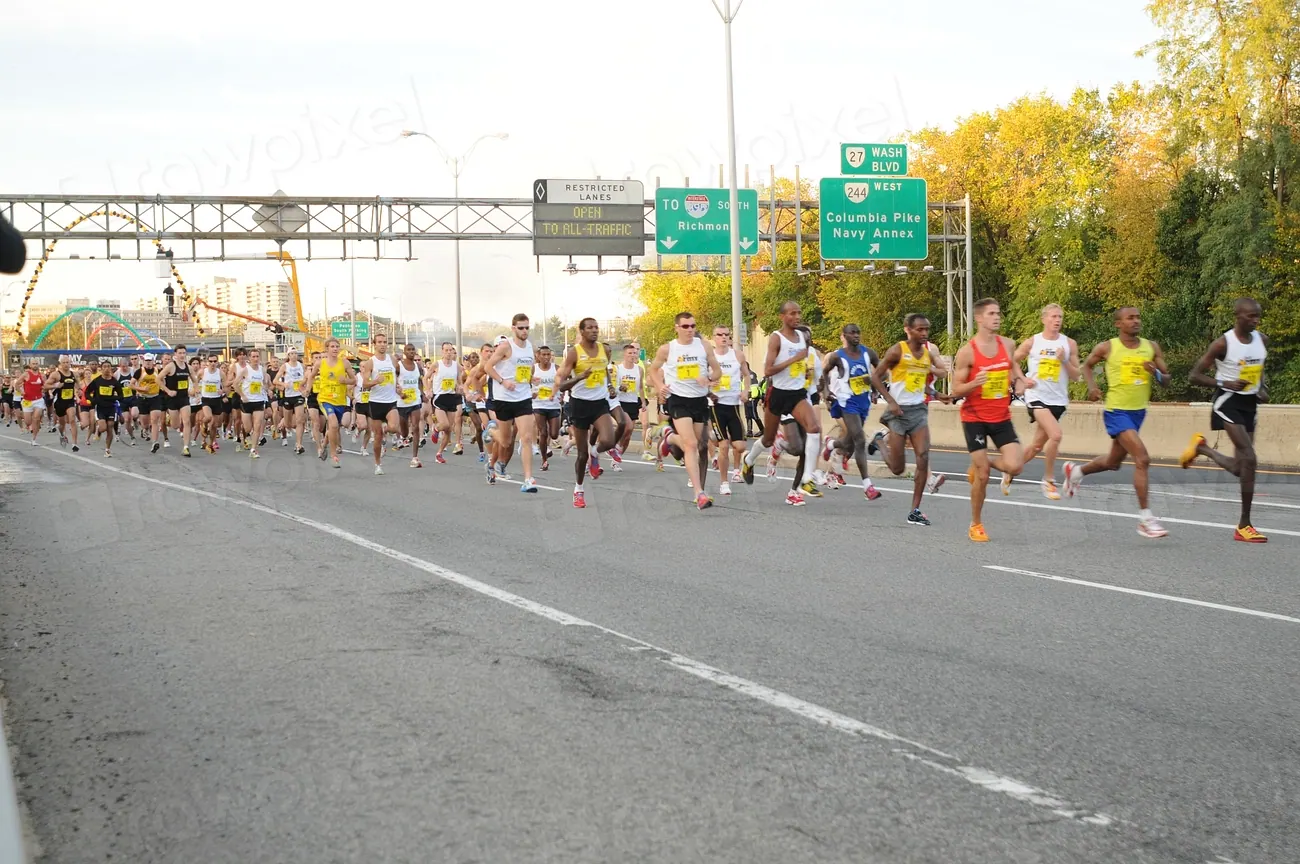

An elite marathon runner, with a personal best of 2:38. The founder's father.
2:38 over a marathon is two hours and thirty eight minutes of the same even work, kilometre after kilometre, without ever taking a lead you cannot carry home. Anyone who has run a race in that time knows what it costs to hold a pace when the body asks to go faster, and what it costs to hold it when the body asks to stop.
Stride is the running step. We took the name from there because the step is the only thing that actually completes a marathon: one step, then the same step again, enough times over. It is a stance we recognise in the companies we want to work with.
He is the reason it is called what it is called, and that is his whole place in this. The name is his, the programme is ours, and we say no more about him than that.
The stance
A marathon is run on pace. A company is run on cash flow, and the two are more alike than people think.
We do not take money in because money is there to take. We take money in a way that holds the whole distance, at a pace the company survives. That goes for the capital we put in, and it goes for what the company raises after us. A company that spends its capital in four months has run fast and got nowhere.
It shows in how we work on the budget. The question we ask in month one is how many months the company can breathe if nothing sells, and that question comes before any plan for how quickly the money can be turned into growth. That figure is the company's pace. A pace you can only hold for six weeks is a sprint, and a sprint at the start runs out long before the finish line.
The same applies to us. We take in five companies per intake and run two intakes a year because that is the pace we can hold ourselves without leaving anyone in the cohort on their own. A programme that promises more than it can deliver has made exactly the mistake it warns the companies about.

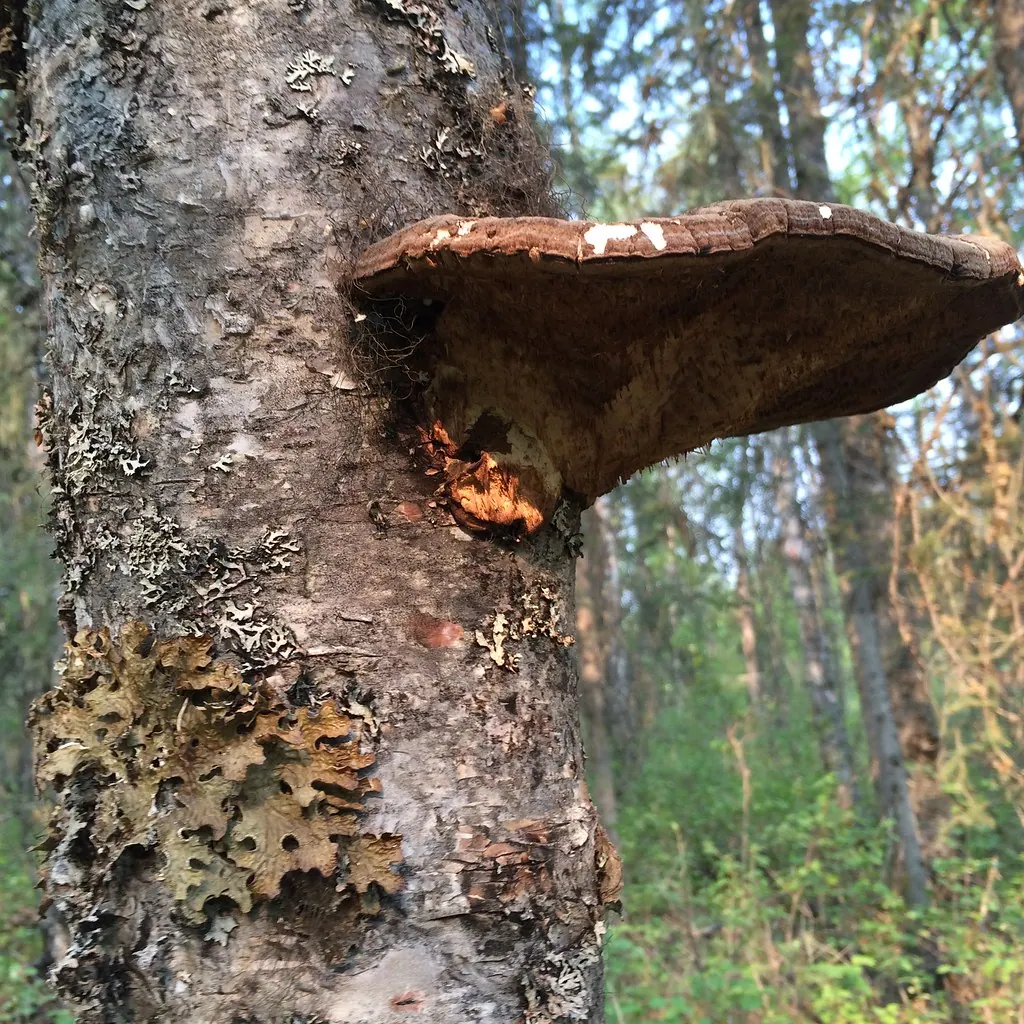
The second image comes from the Olympics: a fire carried onward from hand to hand, and one people gather around.
An Olympic torch is not carried fast. It is carried so that it is still burning when it is handed over, and it is handed over many times along the way. That is the image we chose for the group that carries extra support, because the support is about precisely that: the drive inside a company still being there at the end of four months.
The fire is neither output nor growth. The fire is not going out. A company that still has its drive, its team and its bank balance after the programme has won the one thing we can help anyone win in four months.
The other thing a torch carries is that people gather around it. Five companies in the same cohort, in the same room at the sessions in person, all knowing what the others are struggling with. That part cannot be bought with capital, and it is one of the reasons the intake is small.

The people running it
StiveStride is run by a small team from the GADDR family, the same people who build the platform and the servers the companies get to use.
Your application is read by us. The answer comes from one of us, with a name at the bottom, and those are the same people who run the sessions in person in Stockholm and Gothenburg and the same people you reach when something goes wrong during the four months.
The team is deliberately small, and that is why an intake holds five companies. You get an answer a person has written after reading your whole application.
Thirteen mentors and three assistants work with every intake. Francisco Andreasson is one of the mentors. We do not name the rest here: a name on a public page is that person's own decision, and they work with the companies and not with the website. Three assistants handle the practical work around an intake, so the mentors' time goes to the companies.
Two mentors
What you say, to whom, and where it is actually heard. Positioning before channels.

Two mentors
How one customer becomes ten without the cost per customer rising with it.

Two mentors
Cash, pricing and the pace that decides how far the capital carries.

Two mentors
Architecture that holds when the volume goes up tenfold, and what can wait.

Two mentors
Getting things out of your hands at a pace that lasts the whole way.
Two mentors
How the product looks, sounds and feels to the person meeting it first.
Straight out
The programme is new, and you should be able to rely on every claim on this site.
We are new. Participants are not named publicly, we have no outcome figures to show, and the form the capital takes is written into the agreement with each company. The amount is 500,000 SEK, Swedish kronor, and it is the same in both groups. The full account of what we can answer and what we do not yet know is on the questions page, and it is worth reading before you apply.

The application is the start of a conversation. We read it ourselves, we answer personally, and we ask for no introduction in order to do so. Applications are open all year, and no date closes them.